The Gunners got their seventh consecutive clean sheet on Saturday. They will equal a club record if the team do not concede in Europe during midweek. Winning seven matches in a row without conceding also equals a club record. Perhaps most impressive is how few saves David Raya is having to make at the moment. Burnley did not manage a shot on target against the Spaniard.
At this rate, Arsenal are on course to compete with Chelsea’s Premier League record of conceding only 15 goals. Gooners are divided on whether this style of football is sustainable. So I thought, reflecting on my lifetime, I would highlight ten times when defences truly won silverware for a team.
To clarify, I am not picking sides with a great defence but focusing on clubs and nations whose success was built on defensive tactics.
Arsenal (1990-1991) – League Title
Sandwiched between Anfield 89 and Arsène Wenger extending the careers of several legends, 1991 was perhaps the peak of George Graham’s defensive masterpiece. That season came close to a domestic double and, if not for one fixture, the Invincibles could have been born 13 years earlier. The gap between Arsenal and Liverpool would have been bigger had we not been deducted two points for “failing to control our players” at Old Trafford.
Like Gooners hope now, the rest of the division simply could not compete with Arsenal defensively. The runners-up conceded 22 more goals than us. This was David Seaman’s first year at Highbury, and by then our back four were among the most famous ever seen in Britain.
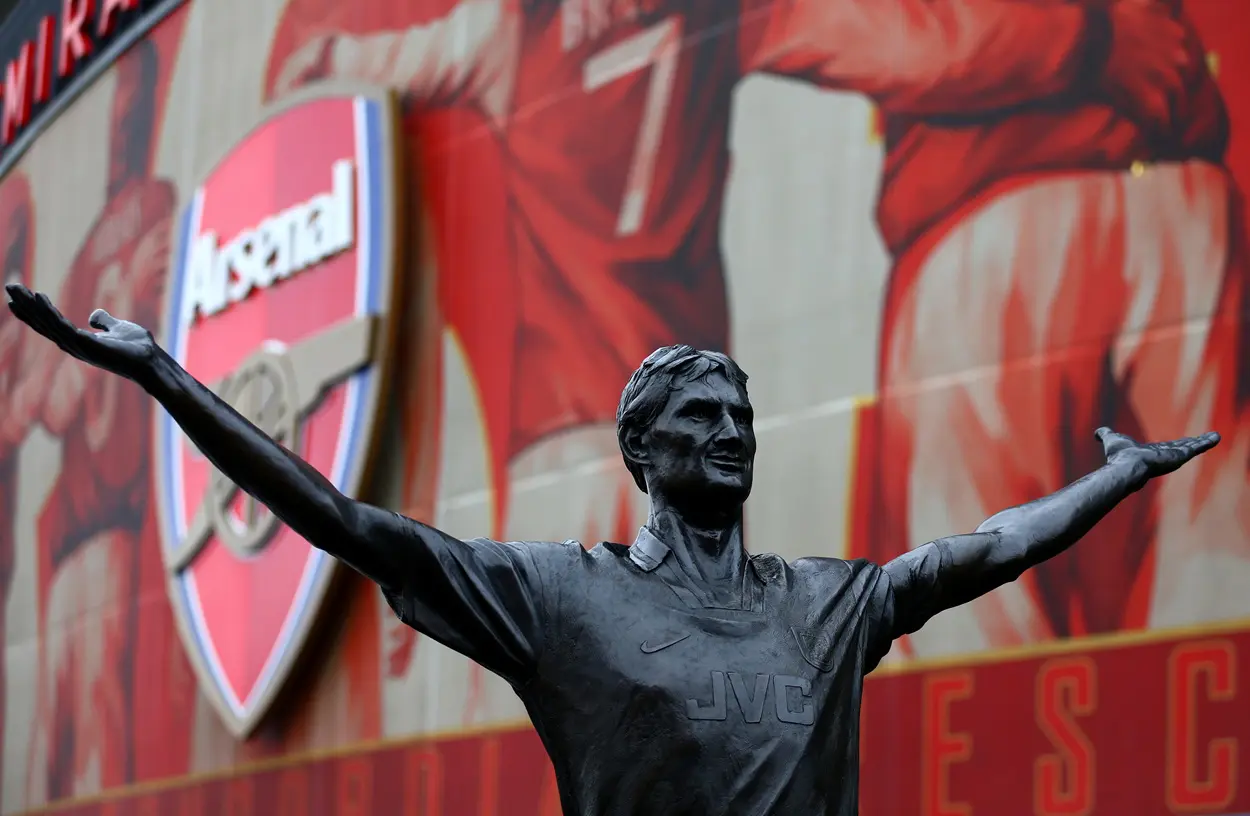
So much time was devoted in training to defensive drills that even attacking players spoke about how structured it was. While this led to chants of “Boring, boring Arsenal,” it was truly an art form – last-ditch blocks, ricochets, and toe-end tackles at the final second were never coincidental. It was even more astounding considering Tony Adams spent two months of the campaign in jail for drink driving yet still organised those around him superbly. Still in denial about his alcoholism, imagine what else he could have achieved had he stayed sober.
AC Milan (1993-1994) – Serie A, Champions League
Following the immortal late-80s generation, Fabio Capello’s first managerial spell created Italy’s first “Invincibles,” unbeaten in 58 Serie A fixtures including two titles. This season stands out not only for a fifth European Cup and a third straight league triumph, but because they conceded only 15 goals domestically and kept ten clean sheets out of twelve in Europe.
No footballing nation values defending more than Italy, and the Rossoneri of that era are often called one of the greatest defensive units ever assembled – Maldini at left back, Baresi and Galli in the middle, Tassotti on the right, and a young Panucci waiting in reserve.
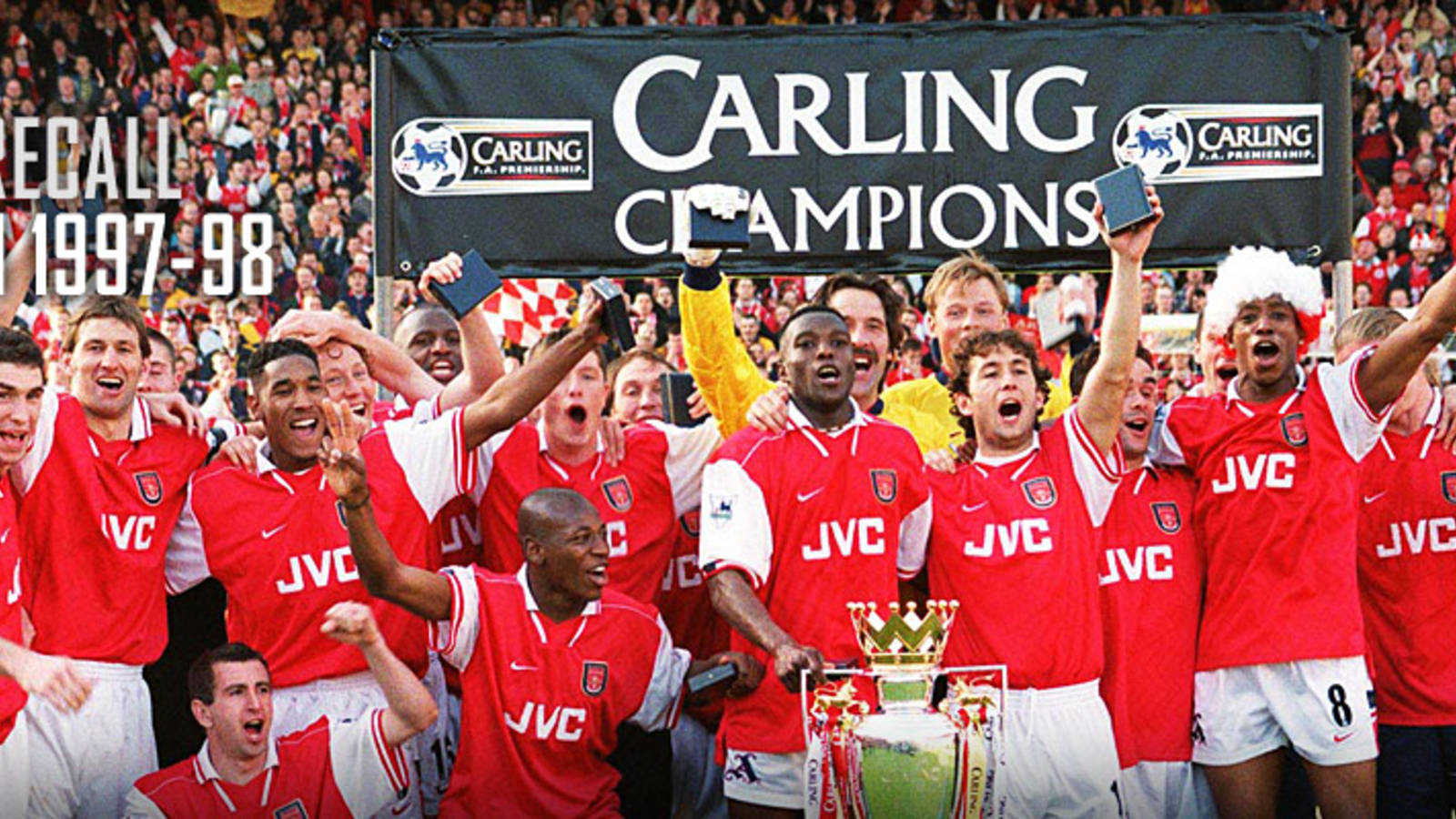
Arsenal (1997-1998) – Premier League, FA Cup
Arsenal would concede fifteen fewer league goals the following campaign, yet the criterion here is defences that won something. It would be wrong to claim Wenger’s first full season was built solely on defence, as Manchester United actually had a better record.
But when the title run-in came, the Gunners returned to what brought them success. Before travelling to Old Trafford in March, some bookmakers had already paid out on United retaining their crown. Arsenal went there nine points behind but with three games in hand. Including that 1-0 win, they kept twelve Premier League clean sheets from the end of January onward.
Dan’s Arsenal memories #1 – The fantastic Double of 1997/98
One of Wenger’s best decisions was extending the careers of the famous back five through modern training and dietary methods, though squad players like Grimandi and Manniger also played their part. Gooners soon chanted “Boring, boring Arsenal” with pride.
Valencia (2001-2002) – La Liga
Rafa Benítez’s debut year at Valencia was a masterclass in tactical conviction. Considered too conservative at first, he stuck to his principles despite early criticism. That faith was rewarded as Valencia ended Spain’s big-two dominance and lifted their first league title in three decades.
Playing with one up front gave Benítez an extra man in midfield and control of matches. Even flair players like Pablo Aimar were told to track back, eliminating luxury roles. The Champions only scored 51 goals but conceded just 27 – proof that substance can beat style.
Greece (2004) – European Championship
It remains the biggest upset in international football. Otto Rehhagel reminded the world that simplicity can triumph over complexity. Greece entered Euro 2004 as 150-1 outsiders, yet organisation, discipline, and set-piece precision carried them all the way.
They beat hosts Portugal twice, held Spain, and knocked out France and the in-form Czech Republic – all without conceding in the knockout rounds. Proof that belief, structure and teamwork can outweigh star power.
Chelsea (2004-2005) – Premier League, League Cup
Jose Mourinho ended Chelsea’s fifty-year title wait with a defensive masterclass. He built a side defined by collective structure rather than flair, conceding only fifteen goals across 38 league games – still a record.
While Arsenal played beautiful football, Mourinho cared only about results. He believed that if his team could not be broken down, they needed fewer moments of brilliance to win. With players like Terry, Lampard, Drogba and Robben, they found those moments easily. Many opponents were beaten in the tunnel before kick-off.
Italy (2006) – World Cup
In the aftermath of the Calciopoli scandal, Italian football was in turmoil. Yet the Azzurri turned adversity into motivation, using defensive discipline as their refuge. They conceded only one own goal in the group stage and none in open play throughout the knockout rounds.
Italy lifted the World Cup without an opposition player scoring against them – a record that still stands as a testament to defensive perfection.
Inter Milan (2009-2010) – Serie A, Champions League, Coppa Italia
Mourinho’s Inter epitomised tactical resilience, particularly in the Champions League semi-finals and final. Against Barcelona’s tiki-taka, the Portuguese produced a defensive display for the ages, sealing Italy’s first and only treble.
He inherited an ageing but experienced back line, added tireless wingers like Pandev and Eto’o willing to sacrifice personal glory, and built a balanced machine. Inter conceded just 22 league goals and shut out some of Europe’s most creative teams on their way to glory.
Spain (2010) – World Cup
Spain’s golden era is remembered for possession football, but their dominance in South Africa was built on defensive control. Keeping the ball became their form of defending – opponents could not score without it.
They won every knockout match 1-0, conceding in only two games all tournament. It made them the lowest-scoring world champions in history but arguably one of the most disciplined.
Atletico Madrid (2013-2014) – La Liga
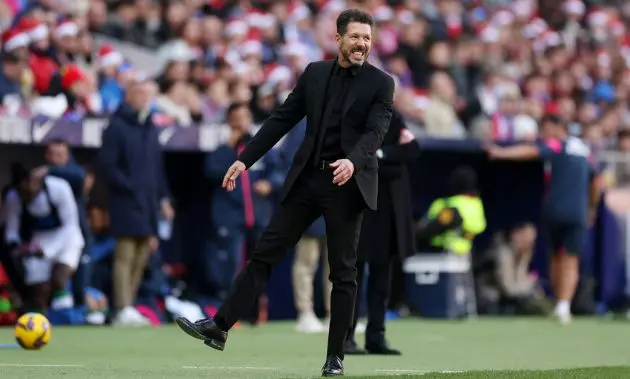
Diego Simeone disrupted Spain’s duopoly with an approach rooted in organisation and mental strength. Atletico conceded just 18 goals as they claimed their first La Liga title in 18 years, also reaching the Champions League final that same season.
In 2021, Simeone’s side repeated the trick, again boasting the best defensive record in Spain. His philosophy may divide opinion, but it proves that structure and resilience still win trophies.
Older Gooners, feel free to add any you watched.
Dan Smith
__________________________________________________________________________________________
ADMIN COMMENT
So here are some simple rules which I must insist commenters follow….
You agree not to give any personal abuse to other Arsenal fans. Everyone is allowed to hold their own opinions even if you disagree with them. It COSTS NOTHING TO BE POLITE TO OTHER ARSENAL FANS.
CALLING ALL ARSENAL FANS! Anyone who would like to contribute an Article or Video opinion piece on JustArsenal, please contact us through this link…





An enjoyable read. Thank you.
Your very welcome
For me this current defense seems to have the same ethos that the back four had under George Graham.
That team could win 3-1, 4-1, or 5-1 and still they would not be happy that they conceded a goal, they took it as an afront. It’s that kind of attitude that made opposition sides visibly give up once we scored the first goal in a game.
Obviously it wasn’t always the case, but a fair amount of times it was. Hence the saying was born, 1-0 to the ARSENAL. 👍
Goos for Saliba and Gabriel to know Mosquera is there backing them up as they can play freely. I think this will also hopefully spur Saliba on who I thought was a bit under par last season
Have not seen enough of Hincapie to know if he can be similar to Mosquera.. lets see
But strength in depth and good to see White playing well also.
A brilliant piece spiced up with historical facts. Kept me awake.
So our strong defense might just see us through to glory come May.
So shall it be.
We just need little to no injuries and we can do it this year.
I remember the back four under GG. A solid back 4. Nothing great about them as individuals but as a unit they were awesome
I also wondered if they were all attached with a piece of string
When one hand went up all the other hands went up to call for off side
The good old days without VAR
Alanball08, as you say, as a unit they were awesome, the best defensive unit I’ve ever seen play for us.
Regarding the string, apparently GG used a rope to tie up all four of them when training them in defensive duties.
Herr Drier,
Regarding George Graham and his defense. Lee Dixon said one of the reasons the back four we’re so in tune positionally, was because they would use the advertising boards on the side of the pitch to gage their position on the pitch.
And back then, unlike a lot of the defenders today, they seemed to really enjoy defending. a lot of the defender’s today seem to want to be ball players first and defender’s second.
I think you have to go along way to find a better back 5 than those of the George Graham era.
Although that said the current back 5 aren’t to shabby are they. 😂👍